Turn symptoms into numbers.
"Jittery" and "slow" become standard deviations, ranges, and latency distributions. If before and after can't be compared on the same data, it isn't an improvement.
From Isaac Sim digital twins to ROS 2 sensor pipelines and camera·LiDAR perception algorithms. In my master's, I transferred reinforcement-learning policies to physical robots and published a first-author SCIE journal paper (Sensors, 2025). Today I build perception algorithms and simulation-based validation environments at an autonomous parking-robot company. My method: reproduce the failure, then improve it with numbers.
Industry work and master's research, side by side. Industry projects are described anonymously — no company or product details — focusing on the problem-solving process and engineering decisions. Click any card for a detail page with figures and videos.
 INDUSTRY
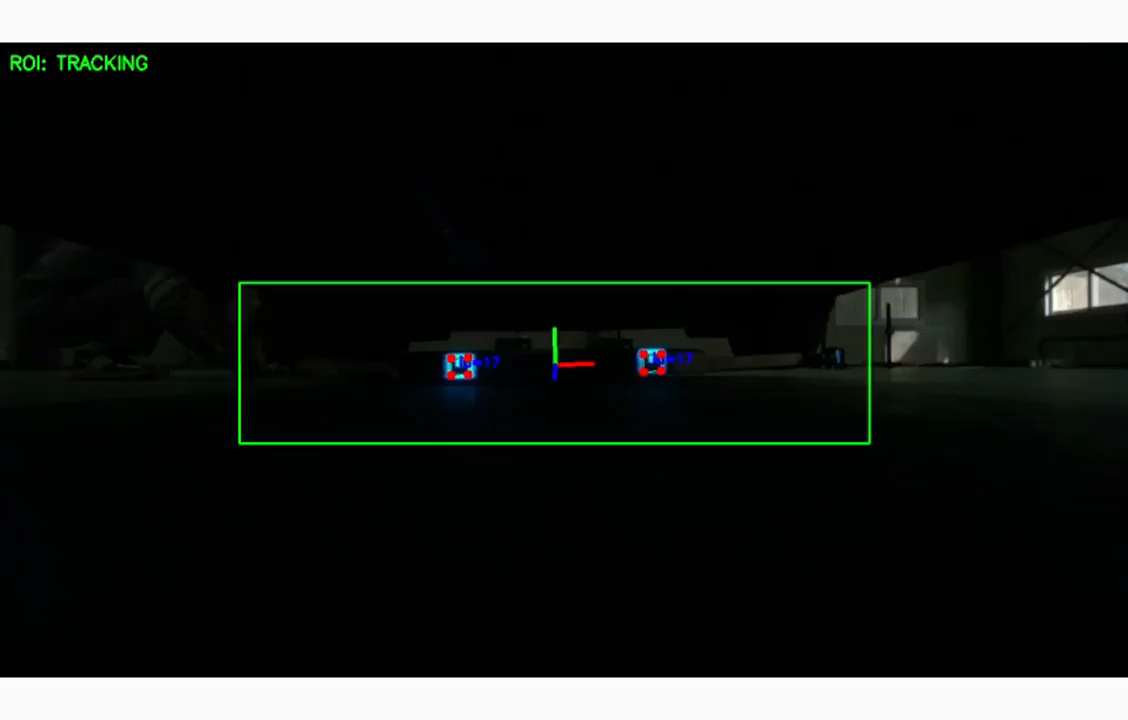
Found the structural defects that silently disabled the filtering pipeline, redesigned it with Ceres non-linear optimization and quaternion-aware filters, then recovered the added compute cost with a Kalman-based dynamic ROI.
Pitch noise −59% · ~17× more detections while driving · processing time −50%
Read more →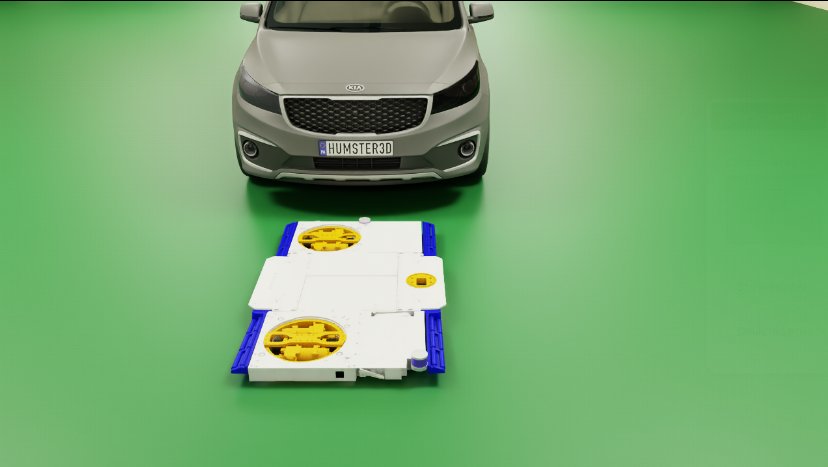 INDUSTRY
Rebuilding the real robot, sensors, and operating environment in simulation — a digital twin where ROS 2 perception algorithms can be tested repeatedly without site visits.
Failure cases reproduced in sim · Docker-deployed algorithms fully connected
Read more →Multi-camera GigE streaming bottleneck analysis · 2026.03 — 2026.04 — Diagnosed frame drops in 4-camera simultaneous streaming through four rounds of latency experiments, isolating the cause layer by layer (switch → shared PoE bandwidth → uplink) and deriving stable stream settings and a recommended network topology.
 RESEARCH
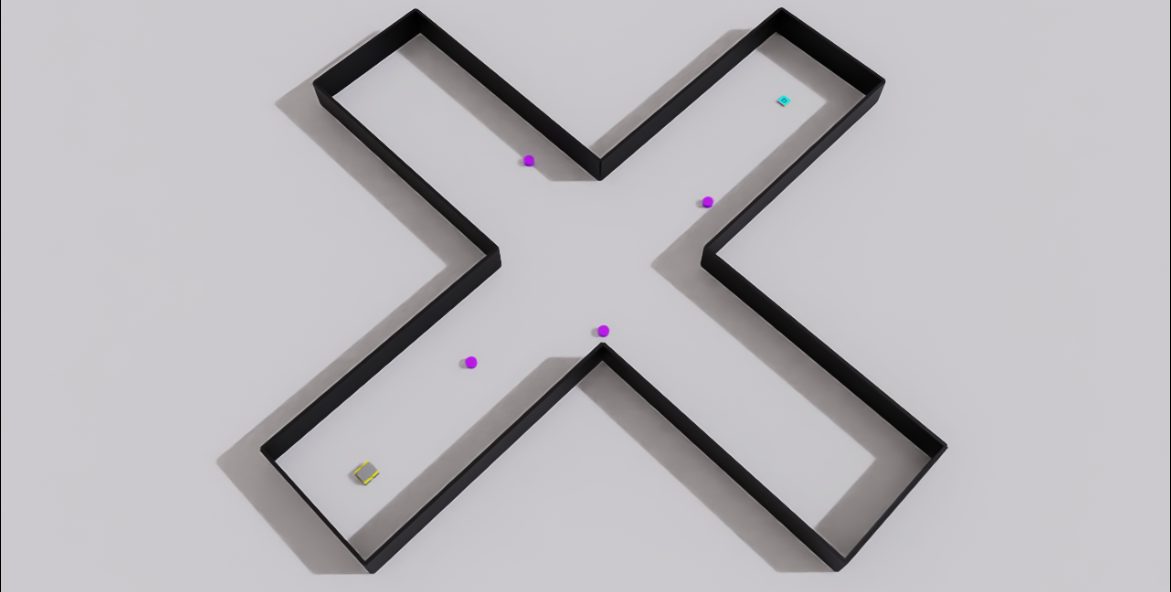
Fused 3D LiDAR and RGB to detect and track people, then trained an open-space-aware RL policy that navigates narrow spaces safely alongside humans.
94% average success rate · 35% shorter travel time than crowd-navigation baselines · Published in Sensors
Read more →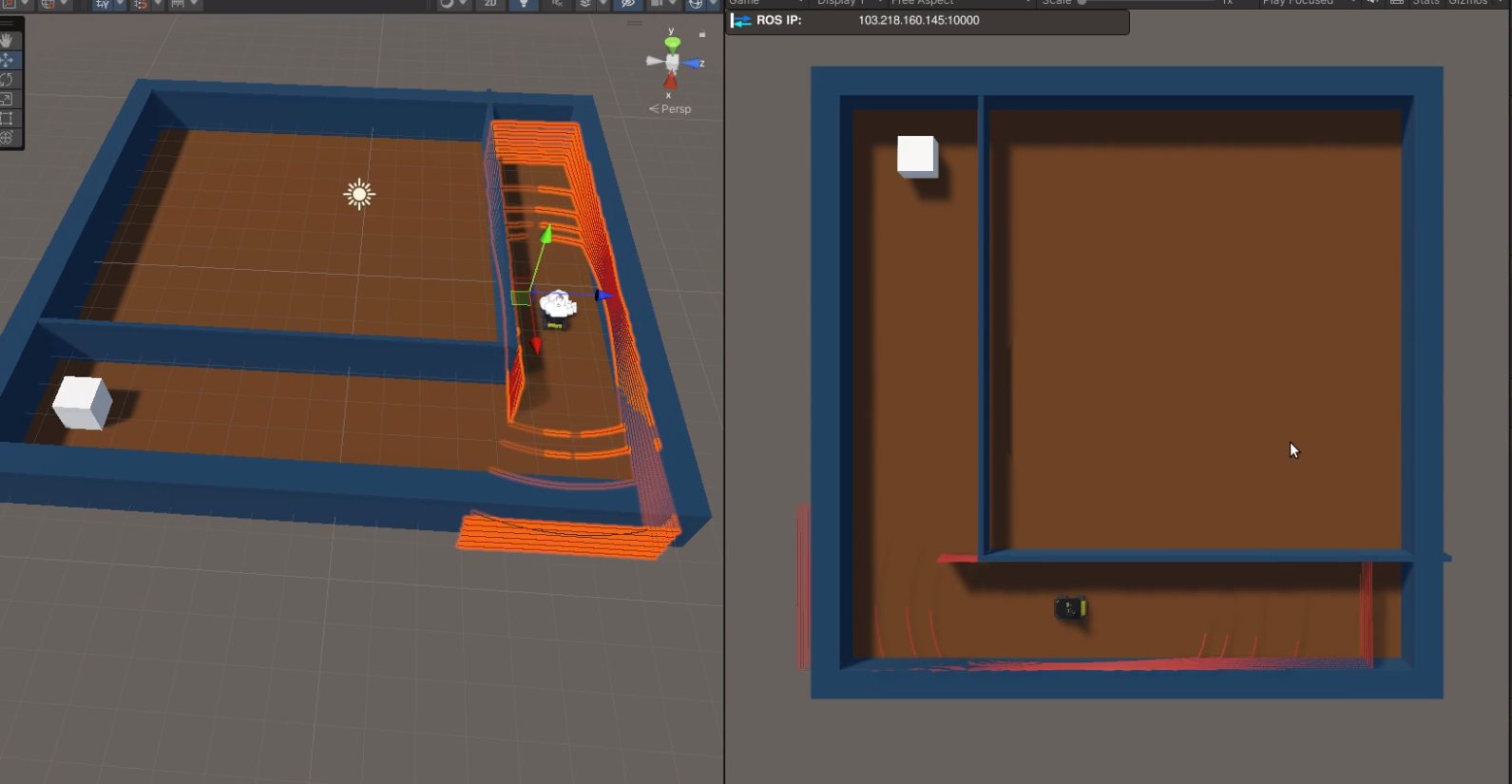 RESEARCH
Trained an RL driving policy in Unity, exported it to ONNX, and deployed it on a physical Husky A200 — stabilized real-world driving with LiDAR noise injection and curriculum learning.
Stable driving over a ~50 m corridor — 6.7× the distance of the first attempt
Read more →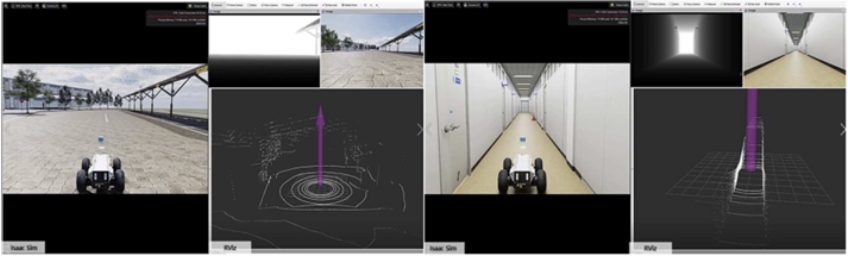 RESEARCH
Rebuilt a 3D-scanned lab environment in Isaac Sim and developed ROS interfaces for six LiDAR models, an IMU, and robot control. Led scheduling and module integration.
ETRI research project · 6 LiDAR models connected over ROS · public demo video
Read more →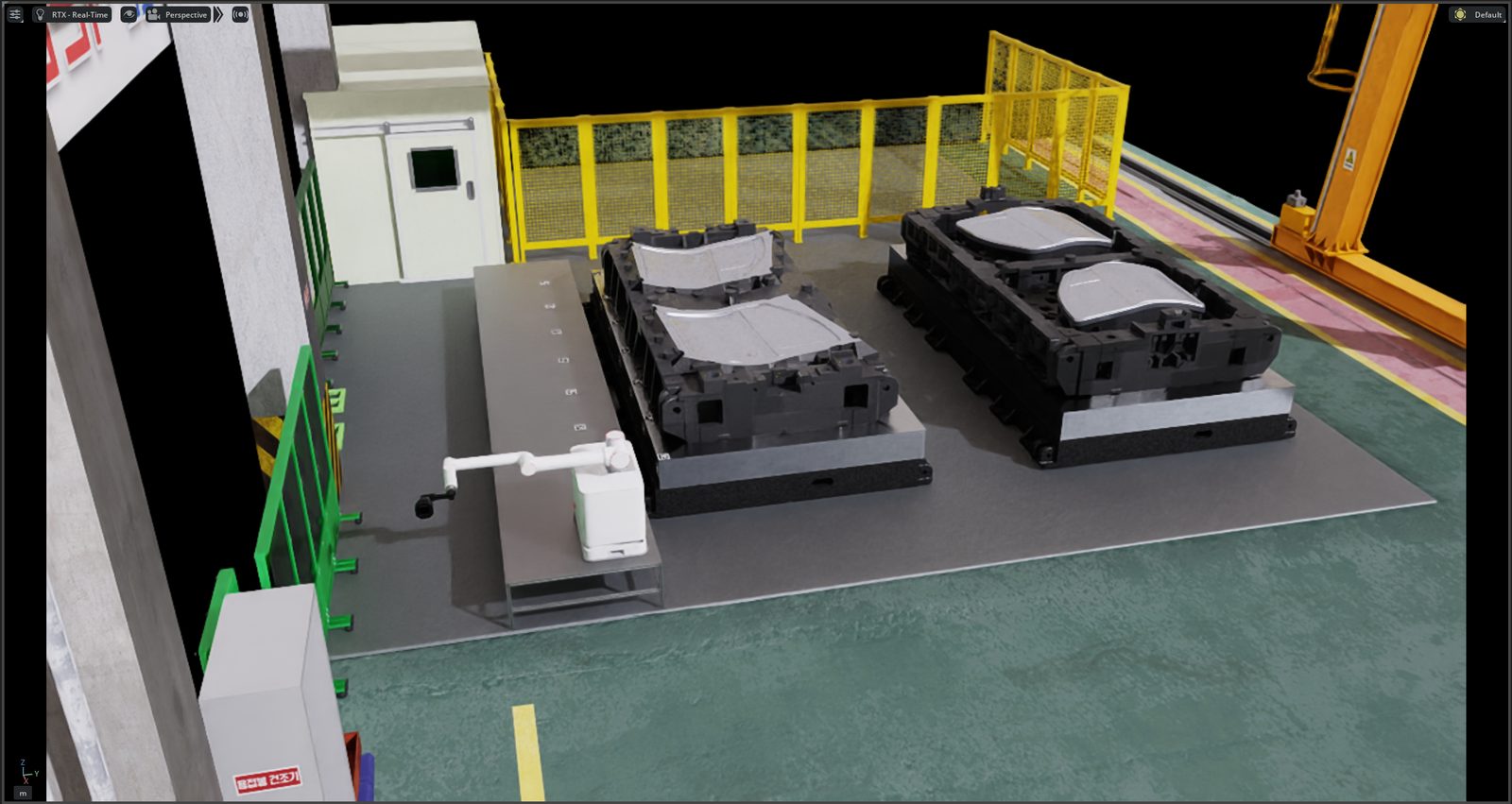 RESEARCH
Recreated an industrial site as a digital twin to pre-validate algorithms, and automated surface-roughness inspection with AprilTag localization and manipulator control.
Repeatability error avg 1 cm · data collection 50% faster · roughness estimation +10% accuracy
Read more →Outdoor mobile-robot autonomy experiments — GPS·IMU·camera·LiDAR data collection, 2D-LiDAR dynamic obstacle avoidance, GPS trajectory visualization.
OmniIsaacGym obstacle-avoidance path planning · BARN Challenge preparation · Jackal navigation in Docker — more research notes in the Notion archive ↗ (Korean).
"Jittery" and "slow" become standard deviations, ranges, and latency distributions. If before and after can't be compared on the same data, it isn't an improvement.
Occlusion, long range, low light, CPU load — I turn failure conditions into repeatable tests, in both real data and simulation.
Instead of only pushing detection performance, I optimize the whole system budget — ROI, execution conditions, sensor configuration.
During my master's (2024.03 – 2026.02): two SCIE journal papers (one first-author), one international conference paper, and eight domestic conference papers.