INDUSTRY · Ongoing
Isaac Sim
Isaac Sim
Algorithm-Validation Environment
This is a project at my current employer. For confidentiality, product, customer, and site details are omitted; the write-up focuses on the problem-solving process and engineering decisions.
- Building — solo — a digital twin that converts a validation workflow dependent on site visits and vehicle data collection into reproducible simulation tests.
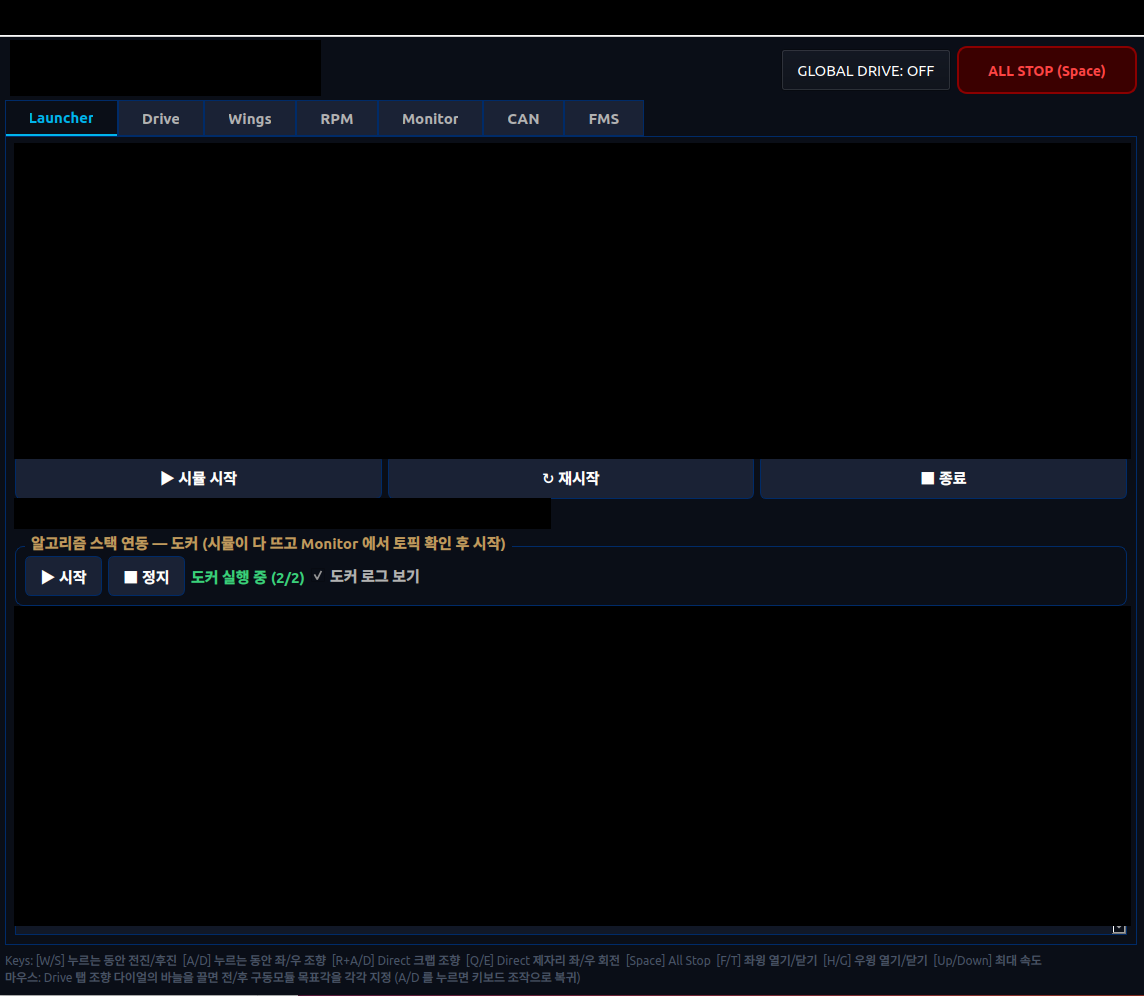
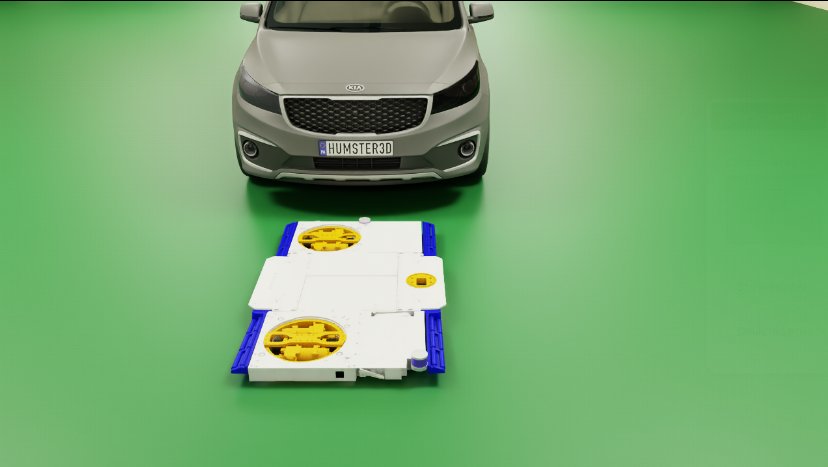
- Modeled the parking robot's drivetrain and lifting motion, two 3D LiDARs, two RGB-D cameras, and an IMU in their real mounting configuration, and connected the actual Docker-deployed algorithms.
- Failure conditions that are hard to reproduce on site — like marker occlusion — are now replayed in simulation, shortening the improvement cycle.
PROBLEMValidation is chained to the site
If every perception change needs a real vehicle and a real site, the development cycle is hostage to site schedules. Failure conditions — marker occlusion, long range, low light — are also unsafe or impractical to reproduce on site. A simulation that faithfully mirrors the robot, sensors, and environment lets the same condition be replayed indefinitely while algorithms are validated.
METHOD 1Modeling robot, sensors, environment
- Robot — URDF-based model including drivetrain (joints, links, wheels) and the lifting motion
- Sensors — two 3D LiDARs (RTX LiDAR), two RGB-D cameras, and an IMU at their real mounting positions and specs
- Environment — cleaned scan data of the real operating site (mesh, materials, lighting), with RTX non-visual materials reflecting LiDAR reflectance
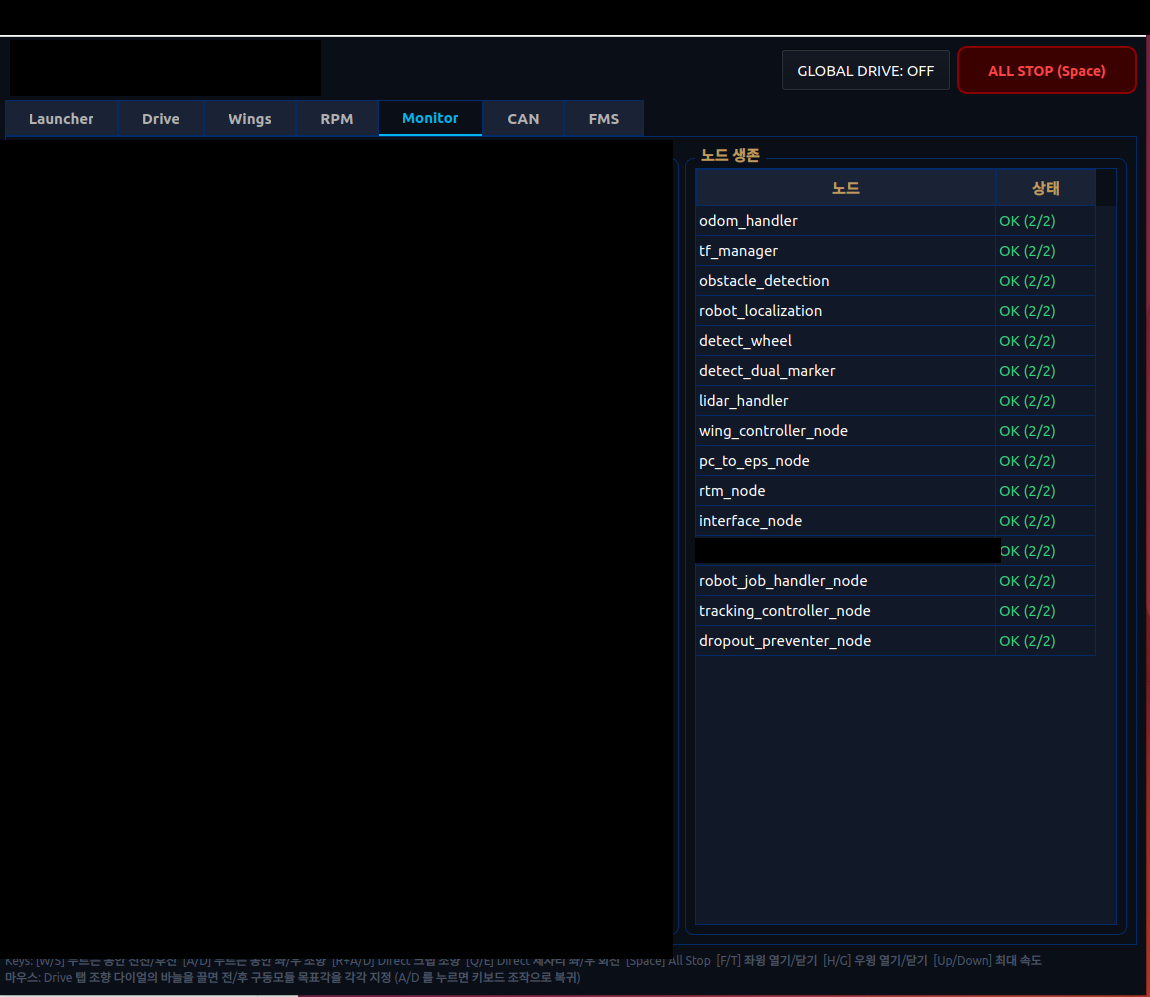
- Multi-robot — two robots run simultaneously on separate communication channels, with single- and dual-robot runs sharing the same code path
- Physics tuning — calibrated drivetrain, steering, and lifting physics parameters against motor torque, friction, and inertia measured on the real robot, matching simulated dynamics to reality
- Maintenance — migrated Isaac Sim 5.1.0 → 6.0.1 (sensor and ROS API changes)
METHOD 2Connecting the real algorithms
- Ubuntu 22.04 · ROS 2 Humble — simulation sensor data published with the same topic structure as the real robot
- Structured configuration keeps sensor rates (Hz) consistent even in multi-sensor setups
- Docker-deployed production perception algorithms (marker detection etc.) run unmodified on simulation data
- Shell-script launch environment automates repeated test procedures
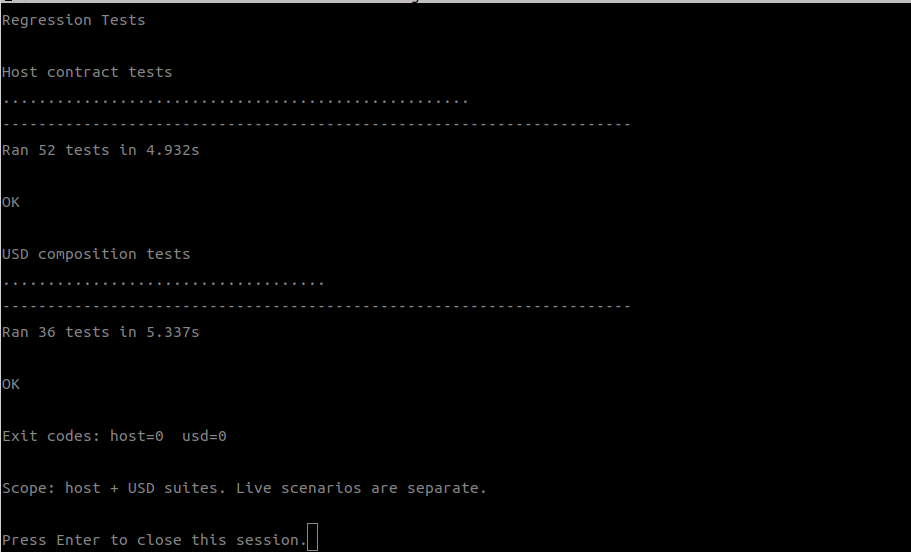
- Regression tests — built dozens of regression tests that run automatically on every code change, giving the environment a reproducible validation baseline
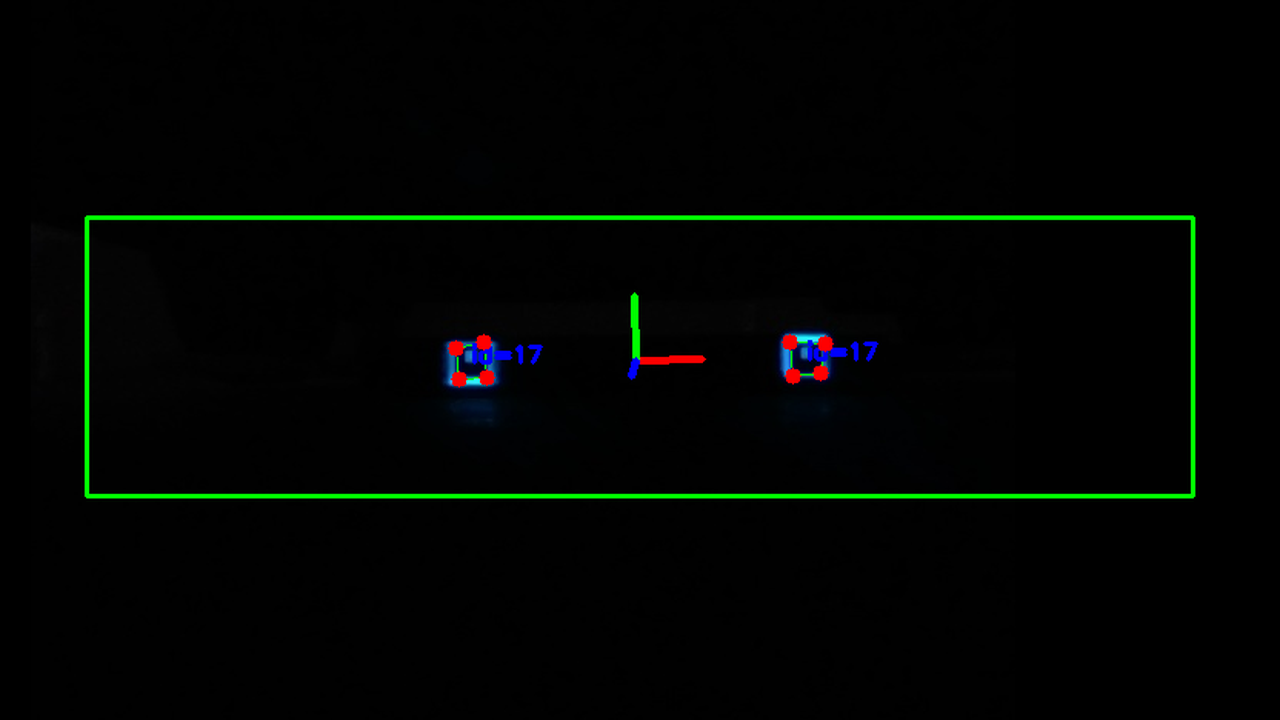
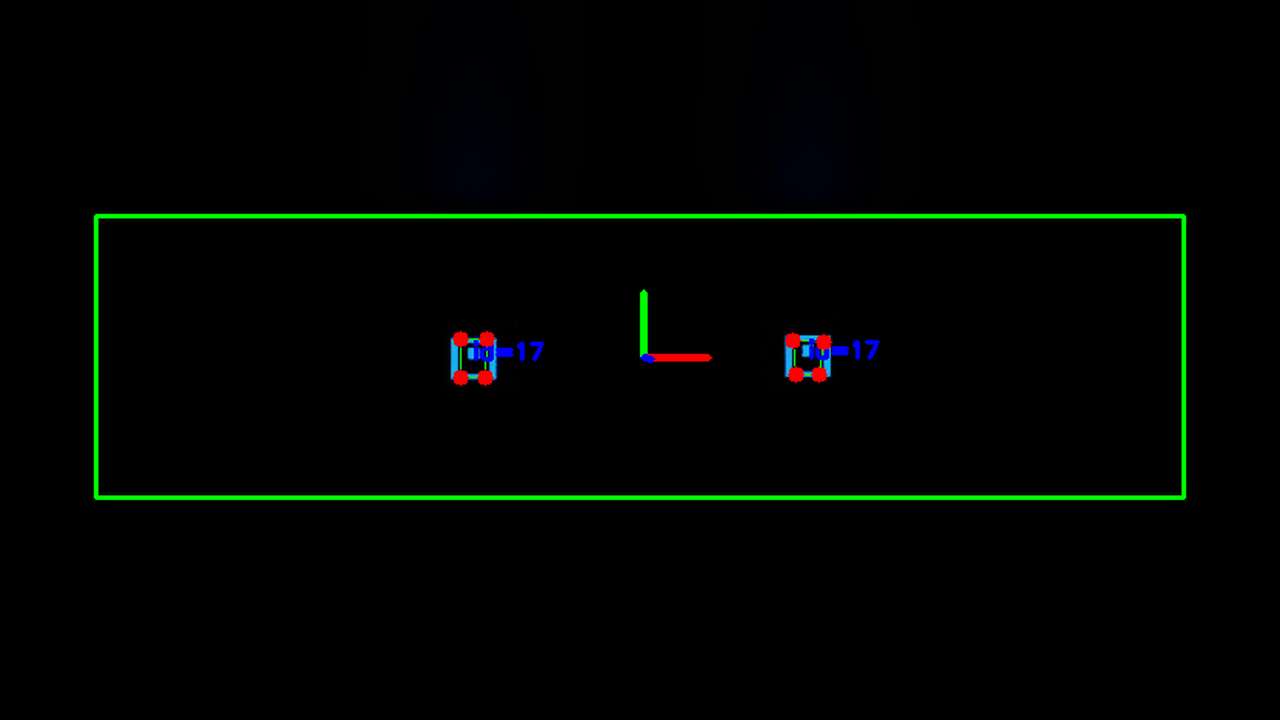
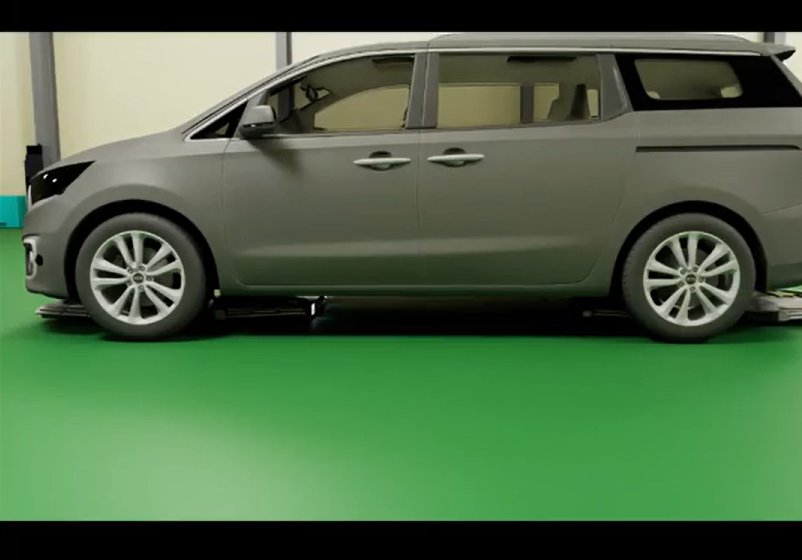
Docking-marker occlusion experiment reproduced in simulation — replaying a failure condition that's hard to repeat on site.
CURRENT RESULT
- End-to-end test environment secured: robot drive/lift, LiDAR·camera output, and marker detection running against real algorithms
- Docking-marker occlusion experiments replicated in simulation — cross-validated against field experiments
- Environment UI complete: manual control, robot state and topic-rate monitoring, scenario placement
- Marker detection accuracy validated under static conditions; fine-grained parameter calibration is ongoing
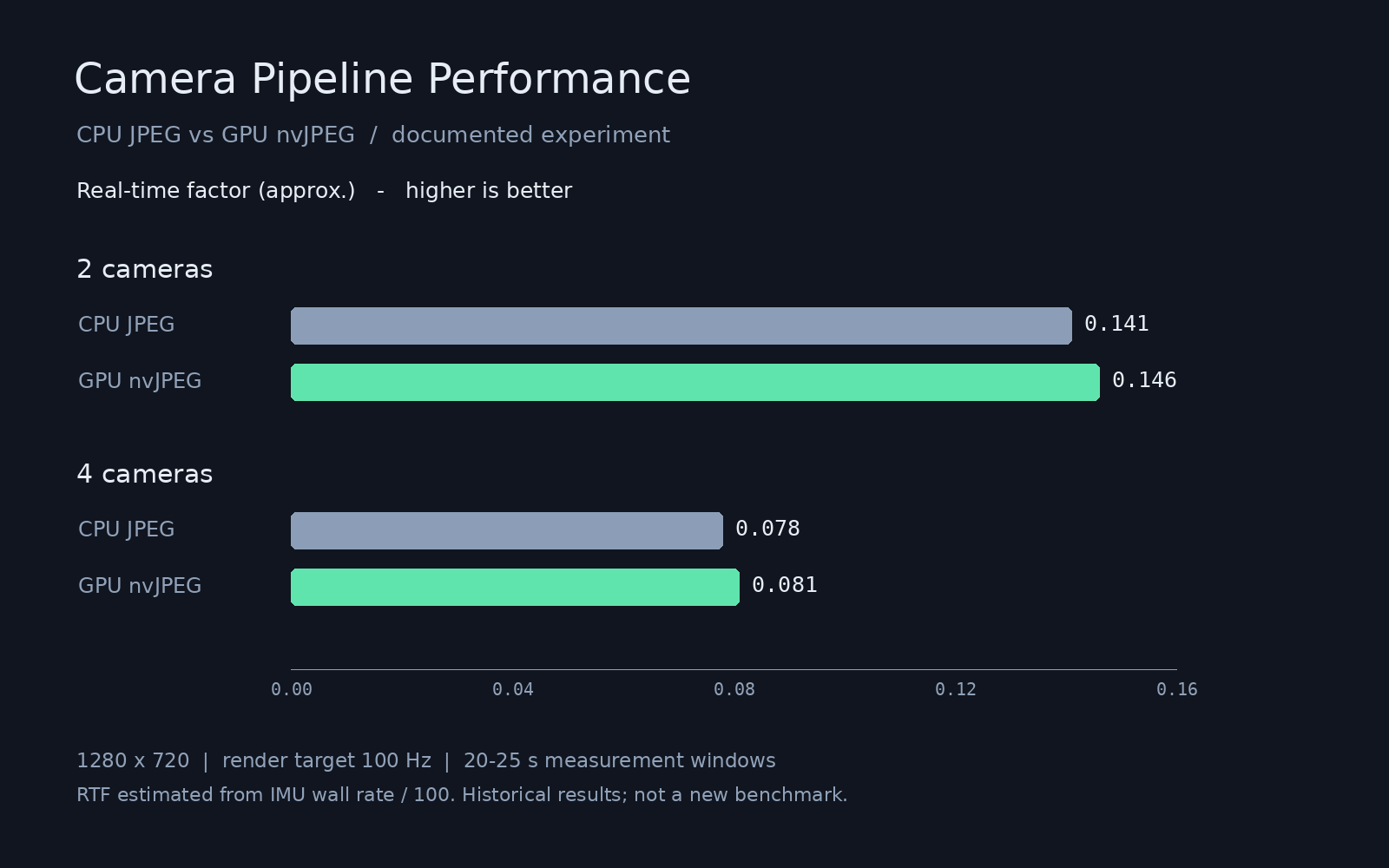
- Optimized the camera data pipeline to hit its simulation-time throughput target, but sensor update rate is still structurally coupled to render performance — improving wall-clock throughput is ongoing work